Visual storytelling: Periscope, drones and more

Visual storytelling continues to be a hot trend in 2016 – GoPros capture action and adventure from different angles, drones fly and film up high and social media apps allow us to see places and events in real time.

In December 2015, Apple named Periscope the iPhone app of the year. Owned by Twitter, Periscope is a free live-streaming video app. It launched last year and quickly attracted more than 10 million users who created more than 100 million live video broadcasts. In just a few weeks into 2016, Periscope already is integrating and innovating. Some new features include:

  • Periscope live streams and replays in a Tweet. Users do not need a Periscope account or app and can watch the video directly in Twitter. This feature should allow users to reach greater audiences.

https://twitter.com/periscopeco/status/686880541224775681

  • Periscope teamed up with GoPro, so people can live stream on Periscope with a HERO4 Black or Silver camera. Live action video will be on display at the X Games in Aspen, CO this week.

Showing dramatic images from the air, drones continue to gain in popularity.  Because of security, safety and privacy issues, the Federal Aviation Administration requires drone owners to register before flying outdoors. More information about the rules and registration are available on the Unmanned Aircraft Systems Registration web page.

In the Puget Sound area, businesses, individuals and government agencies increasingly use drones to help tell their stories. Some examples include:

How will you incorporate visual communications in the year ahead?

For more information

  • New York Times article about Apple naming Periscope the app of 2015.
Social media and lighted landmarks help world support France

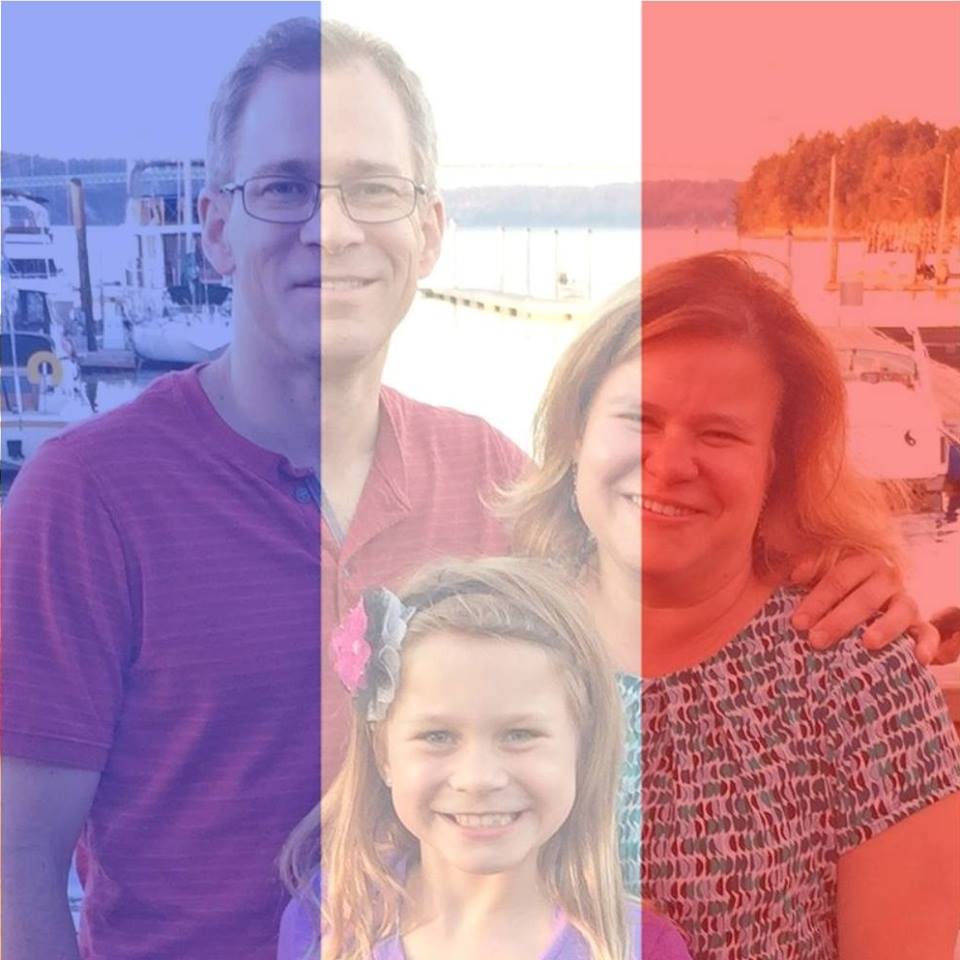
Photo of profile picture with French colors

Facebook profile with French colors – in solidarity

The world took to social media to express outrage at the November 13 terrorist attacks in Paris, and to support France and freedom everywhere. In solidarity, many people shared pictures of themselves living in or visiting France and updated their profile picture with the French flag colors of blue, white and red.

Jean Jullien’s “Peace for Paris” image using the Eiffel Tower and the international peace sign captured the world’s emotions and quickly “went viral:”

https://twitter.com/jean_jullien/status/665305363500011521

Social media also provided information about safety (with Facebook’s Safety Check tool), shelter (with the hashtag #PorteOuverte or “open door”), and canceled flights (with the hashtag #StrandedInUS), according to this New York Times article.

As the Eiffel Tower turned off its lights for three days of official mourning and respect, other famous world landmarks lit  France’s tricolors, including One World Trade Center at the site of the September 11, 2001 terrorist attack in New York City. See more information in this NBC News article.

In the Pacific Northwest, Century Link Field shined with France:

You can see many more world landmarks shining in solidarity in this Facebook post from Pulptastic:

Even though we are long distances and times apart, social media continues to connect people around the world and can comfort and show support in times of tragedy and crisis. #PrayforParis

We’re exploring the universe with technology and social media

Photo of Pluto

First close-up of Pluto. Original photo from NASA on July 14, 2015.

After travelling nine years and three billion miles, the spacecraft New Horizons gave us a “close-up” of the farthest planet, Pluto. Pluto looks very different than what we imagined. It has mountains, plains and five different moons. The first image NASA shared showed a planet with a “heart.”

The Pluto “flyby” happened early in the morning on July 14. NASA promoted the flyby for days in advance of the event, including asking people to follow the action on the live computer simulation called “Eyes on the Solar System.” NASA also asked volunteers to capture the moment when the countdown reaches zero. We downloaded that program and watched the closest approach at approximately 4:49 a.m. on the West Coast. Here’s our screen grab at 0.2 seconds to closest approach!

Photo of NASA's live computer simulation
Using NASA’s live computer simulation, we “saw” the spacecraft get the closest ever to Pluto.

At that early hour, we had lots of company! Twitter lit up with the hashtag #PlutoFlyby. NASA quickly conducted an online briefing and took questions through social media. Social media continues to be an effective way to share Pluto’s never-seen-before photos.

About a week later, we saw Earth from about a million miles away. A NASA camera and telescope called EPIC took this picture — what a wonderful world!

How exciting to imagine what scientists, technology and space exploration will find next. If Pluto’s flyby is any indication, scientists will continue to share their discoveries and encourage public engagement through social media.

More about the EPIC photo of Earth from NASA’s press release.

More information about the spacecraft New Horizons.

Building more excitement for Give BIG thru social media

In raising funds for local nonprofits through Give BIG, the Seattle Foundation also uses some great social media tools to build even more excitement for this one-day online event. Check out the Give BIG tagboard which visually shows all the social media interactions with the #giveBIG hashtag.

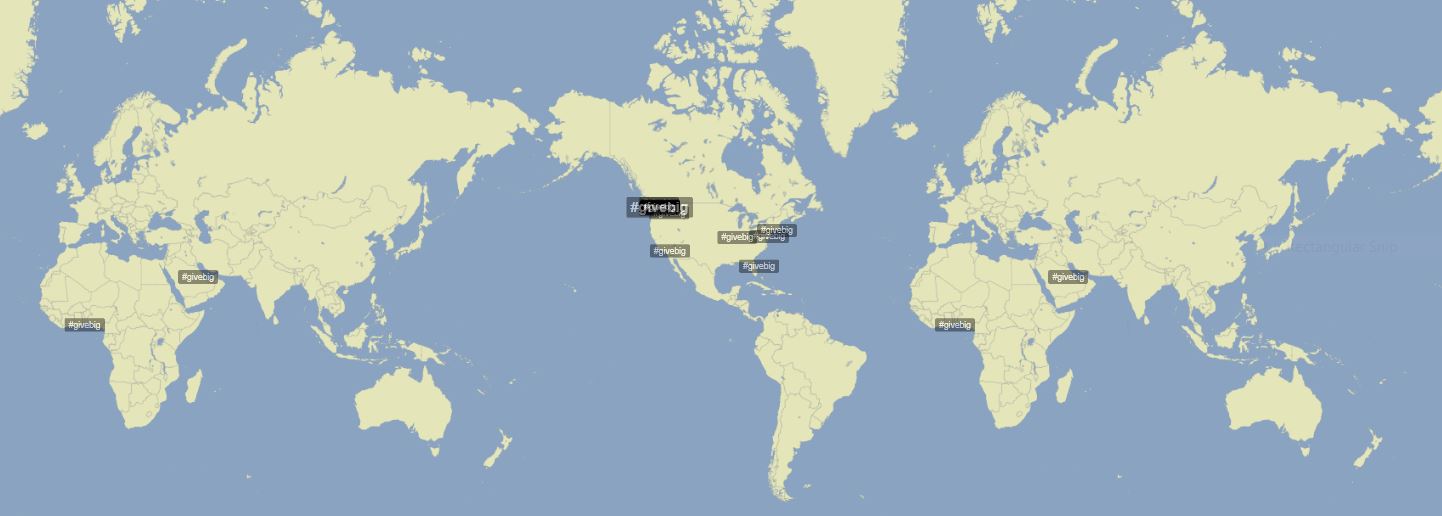
The #giveBIG hashtag is trending in Seattle and in many places around the world:

Photo of world map with Give Big trend

World map with #giveBIG trend

For most of the day, the #giveBIG and Seattle Foundation topics have been at the top of Trendsmap’s trends for Seattle:

Graphic of trending topics in Seattle
Trending topics in Seattle

The Seattle Foundation updates the total donations, announces golden tickets, and reminds people they still have time to donate thru its Facebook and Twitter pages.

The result? Millions of dollars are coming in, and they may surpass last year’s record donations! Great job, everyone!