Visual storytelling: Periscope, drones and more

Visual storytelling continues to be a hot trend in 2016 – GoPros capture action and adventure from different angles, drones fly and film up high and social media apps allow us to see places and events in real time.

In December 2015, Apple named Periscope the iPhone app of the year. Owned by Twitter, Periscope is a free live-streaming video app. It launched last year and quickly attracted more than 10 million users who created more than 100 million live video broadcasts. In just a few weeks into 2016, Periscope already is integrating and innovating. Some new features include:

  • Periscope live streams and replays in a Tweet. Users do not need a Periscope account or app and can watch the video directly in Twitter. This feature should allow users to reach greater audiences.

https://twitter.com/periscopeco/status/686880541224775681

  • Periscope teamed up with GoPro, so people can live stream on Periscope with a HERO4 Black or Silver camera. Live action video will be on display at the X Games in Aspen, CO this week.

Showing dramatic images from the air, drones continue to gain in popularity.  Because of security, safety and privacy issues, the Federal Aviation Administration requires drone owners to register before flying outdoors. More information about the rules and registration are available on the Unmanned Aircraft Systems Registration web page.

In the Puget Sound area, businesses, individuals and government agencies increasingly use drones to help tell their stories. Some examples include:

How will you incorporate visual communications in the year ahead?

For more information

  • New York Times article about Apple naming Periscope the app of 2015.
We’re exploring the universe with technology and social media

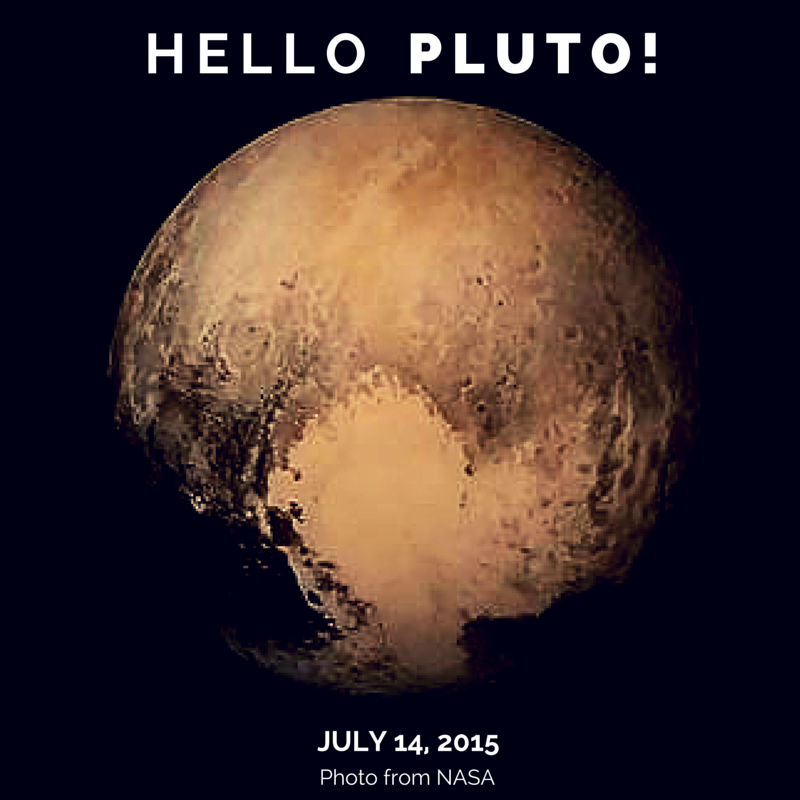
Photo of Pluto

First close-up of Pluto. Original photo from NASA on July 14, 2015.

After travelling nine years and three billion miles, the spacecraft New Horizons gave us a “close-up” of the farthest planet, Pluto. Pluto looks very different than what we imagined. It has mountains, plains and five different moons. The first image NASA shared showed a planet with a “heart.”

The Pluto “flyby” happened early in the morning on July 14. NASA promoted the flyby for days in advance of the event, including asking people to follow the action on the live computer simulation called “Eyes on the Solar System.” NASA also asked volunteers to capture the moment when the countdown reaches zero. We downloaded that program and watched the closest approach at approximately 4:49 a.m. on the West Coast. Here’s our screen grab at 0.2 seconds to closest approach!

Photo of NASA's live computer simulation
Using NASA’s live computer simulation, we “saw” the spacecraft get the closest ever to Pluto.

At that early hour, we had lots of company! Twitter lit up with the hashtag #PlutoFlyby. NASA quickly conducted an online briefing and took questions through social media. Social media continues to be an effective way to share Pluto’s never-seen-before photos.

About a week later, we saw Earth from about a million miles away. A NASA camera and telescope called EPIC took this picture — what a wonderful world!

How exciting to imagine what scientists, technology and space exploration will find next. If Pluto’s flyby is any indication, scientists will continue to share their discoveries and encourage public engagement through social media.

More about the EPIC photo of Earth from NASA’s press release.

More information about the spacecraft New Horizons.

Engaging with community on Earth Day

Thank you, volunteers, for your time and effort on Earth Day and throughout the year! You make a difference in our community.

Many people say that making a difference in the community is the reason why they volunteer. Others may want to socialize with friends, learn new skills, or help advance a cause.

Earth Day and events throughout April are great times to encourage community involvement. People can team up with neighbors, family and friends to pull weeds, plant fruits and vegetables, pick up litter, and more. These activities help meet volunteers’ needs and an organization’s goals.

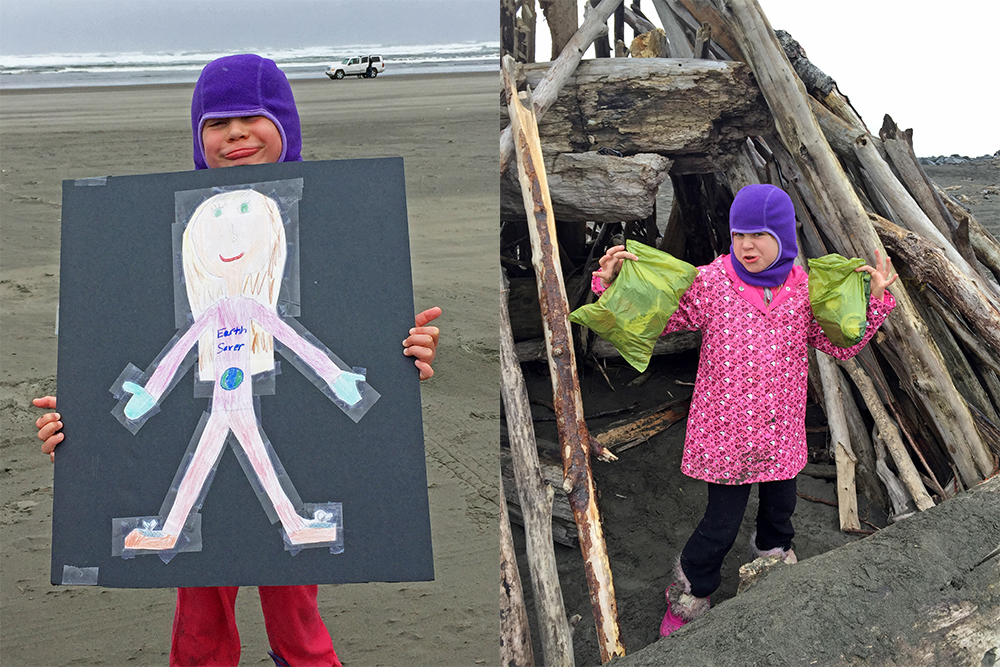
Make sure that volunteers feel appreciated – a simple thank you goes a long way. Other volunteer recognition could include t-shirts, free food, certificates, or acknowledgement in meetings, on a website, or in social media. Flat Anna to the rescue at Ocean Shores-lr

As you participate in Earth Day and similar events, remember to take photos. Or ask volunteers to take photos of themselves. These pictures can generate enthusiasm for the particular event, future events and even your organization. Consider holding a photo contest or sharing photos with a hashtag on social media. Pictures capture the community spirit! Enjoy the day, and thank you, volunteers!