Sound Transit proposes faster schedule for ST3

In response to public comments about building transit faster, Sound Transit today proposed to build the ST3 projects sooner — between 2-5 years faster, depending on the project. ST3 is the proposed 25-year regional transit plan that would increase light rail, commuter rail and bus service in King, Pierce and Snohomish Counties.

The Sound Transit Board will vote on the transit projects and timelines on June 2 and plans to adopt the plan at its June 23 meeting in order to place ST3 on the November ballot. Here is a list of the proposed ST3 projects and new timelines.

Sound Transit received over 34,000 survey responses on ST3.

Here is a presentation summarizing the public comments received on the draft ST3 plan.

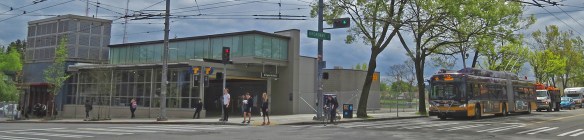
Picture of Capitol Hill light rail station

Located in the heart of the neighborhood, the Capitol Hill light rail station offers good connections to other travel options.

For more information:

Provide input on Sound Transit’s draft regional transit plan (ST3)

Photo of people riding light rail

Riding light rail to the new UW Station

To expand the regional transit system, Sound Transit proposes to build over 20 light rail, commuter rail and bus projects during the next 25 years. Outlined in a draft plan called ST3, the transit projects would serve Snohomish, King and Pierce counties. ST3 would cost approximately $50 billion and be funded with new and existing transit taxes. See Sound Transit’s March 25, 2016 press release on the ST3 annoucement.

The public is invited to review and comment on the draft ST 3 plan now until April 29. Here’s how you can get involved:

  • View the draft plan and proposed projects, including an interactive map
  • Attend a public meeting to ask questions and give comments. Sound Transit will hold a series of 6 public meetings around the region from April 19 – 28.
  • Take an online survey
  • Submit comments in writing by email at soundtransit3@soundtransit.org or to Sound Transit 3, 401 S. Jackson St., Seattle, WA 98104

Based on community input, Sound Transit will finalize the ST3 plan and place a transit tax on the November 2016 ballot. If passed, the average household would pay approximately $200 more per year in taxes to pay for the transit improvements.

For more information:

Nonprofits – register by April 6 to participate in GiveBIG

Nonprofits in the King County area — if you’d like to participate in the one-day online giving event called GiveBIG, please register with the Seattle Foundation by April 6. Many nonprofits in Pierce and Snohomish counties also participate.

In 2015, GiveBIG raised over $16 million in 24-hours to help local nonprofits in the areas of health, education, food, housing, environment and more. Social media helps encourage people to give generously on this one day. Many other organizations provide matches and additional funding.

Logo of GiveBIG

Custom logo that nonprofits can use to promote GiveBIG. Credit: Seattle Foundation.

The Seattle Foundation provides a toolkit of templates, logos and marketing materials to help nonprofits promote GiveBIG.

They also offer webinars to explain how to promote the event and make the most of “stretch funds.”

Here is a link to the online registration form due April 6. Best wishes!


Improve Tacoma and Pierce County with a Spark Grant

Neighborhood leaders and grassroots organizations can obtain up to $1500 to improve Tacoma and Pierce County with a Spark Grant. Grant applications are due by March 18.

The Greater Tacoma Community Foundation awards these grants to “support everyday people who want to spark positive change.” South Sound Together sponsors this round of grants. Here is a look at the nine current Spark Grant projects.

Pause to learn about methanol in Tacoma

On February 19, Northwest Innovation Works (NWIW) asked the City of Tacoma to pause the environmental review for the proposed methanol plant on Port of Tacoma property. In its press release NWIW says “we have been surprised by the tone and substance of the vocal opposition that has emerged in Tacoma. To force a facility on a community that does not welcome it would not be consistent with our goals.” The City agreed to the pause and cancelled the February 24 public scoping meeting.

NWIW plans to engage the Tacoma community on this project over the next few months. At a February 18 Port of Tacoma Commission meeting, many people spoke against the project and several Port Commissioners also raised questions about it.

In May 2014 the Port and NWIW signed a 30-year lease. The lease’s feasibility period ends April 30, 2016. NWIW requested to extend the feasibility period, and the Port Commissioners will discuss it in a future meeting. The Port of Tacoma’s webpage provides more information, including links to the lease and the Feb. 18 commission meeting.

This pause is a great time to learn more about methanol. Several free events occur this week:

  • Health and environmental impacts of methanol refineries with Dr. Wilma Subra. Dr. Subra will give two free talks: Tues, Feb. 23 at 8 pm at St. Matthew Episcopal Church in NE Tacoma and Thurs, Feb. 25 at 6 pm at the University of Puget Sound. Please see this flyer for more information.
  • Science of methanol with the Center for Urban Waters. The Center for Urban Waters is holding a free discussion series on the science of the proposed methanol project. The next session — “potential impacts on regional water and power supplies” — takes place on Thurs, Feb. 25 at 6:00 pm. Speakers include Robert Mack, Tacoma Public Utilities; Eric de Place, Sightline Institute and Dan Kirchner, NW Gas Association. This session may be full but you can RSVP to get on a waiting list for this session or sign up for future sessions. Email questions in advance to Citizens for a Healthy Bay at rcruz@healthybay.org or post to their Facebook and Twitter pages with the hashtag #253methanoltalk.

This information may be helpful when the environmental review resumes. In the meantime, the proposed methanol project is attracting media attention including:

Save Tacoma Water, a citizens initiative, will start collecting signatures for a ballot about water permits in early March. Initiative 4 would require organizations that apply for water permits to obtain voter approval if they plan to use one million gallons or more of water  per day. The proposed methanol plant in Tacoma would need approximately 10 million gallons of water per day.

** Engage Northwest does not work on this project and currently does not represent any of the parties listed in this blog.**